Weekend brunch is a national pastime in America, but it can also be a logistical puzzle. The wait at the most popular spots can stretch past two hours on a sunny Saturday, mimosa rules vary wildly from restaurant to restaurant, and the difference between a great brunch and a frustrating one often comes down to a handful of tactical choices. Here is a field guide, distilled from years of editorial brunching and crowd-sourced reader tips.
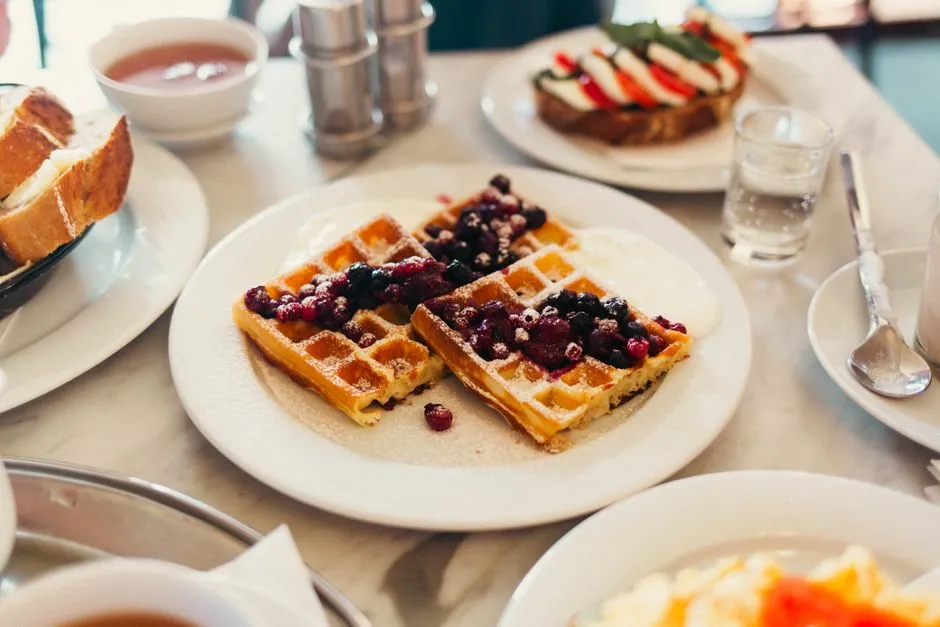
Time it right. The single biggest variable in your brunch experience is when you walk through the door. The peak window at most restaurants is 10:30 a.m. to 12:30 p.m. on Saturday and Sunday — that's when you'll see the longest waits. Arriving before 9:30 a.m. or after 1:00 p.m. can cut your wait from 90 minutes to walk-in. If you have to come during peak, treat the wait as part of the experience: bring a book, take a neighborhood walk, find a coffee bar nearby.
Use the wait list, not the door. Almost every popular brunch restaurant uses some form of waitlist app or text-back system. Add your name as soon as you decide on a restaurant — even before you leave the house — then use the time to wander. The host will text you when your table is ready.
Reservations are sometimes secretly available. Many "walk-in only" brunch spots quietly accept reservations for parties of five or more, on Mondays through Wednesdays for the following weekend, or for early seatings at 9 a.m. It never hurts to call.
Tip generously. The brunch shift is the hardest shift in any restaurant kitchen — the dining room turns over fast, the orders are split-check intensive, and every drink involves another step. The standard 20% baseline applies, with extra weight for great service or larger parties.
Bottomless rules vary. Some restaurants offer truly bottomless mimosas with a 90-minute or two-hour window. Others limit you to a fixed number of glasses. Many require everyone at the table to participate. Always ask the rules before ordering.
Know your kid-friendly options. If you're brunching with kids, look for spots with: a real kids' menu (not just a printed-out children's page), highchairs available, and a noise level that absorbs the occasional toddler outburst. Diners and casual American spots are usually the safest bets.
Vegetarian and vegan diners deserve more than a fruit cup. The good brunch spots have at least three plant-forward mains on the menu, not just modifications of egg dishes. Look for shakshuka, smashed avocado plates, vegan benedicts, and grain bowls.
Solo brunch is underrated. Sit at the counter, bring a book, order coffee and pastry, and you have a perfect morning. Counter seats also tend to get served first when the kitchen is slammed.
The pastry case is the secret weapon. Many of the best brunch spots double as serious bakeries. The morning bun, the kouign-amann, the croissant — these are often the kitchen's best work. Grab one for the walk home, even if you're full.
Coffee is part of the meal. A serious brunch spot will pour serious coffee, often single-origin and from a local roaster. Don't add cream and sugar before tasting it. If you're a milk-and-sugar person, that's fine — but try a sip first.
Bring cash for the chalkboard specials. Many spots run a small daily-specials list that's cash-only or settles up on a separate ticket. Cash also makes splitting the check go faster.
The patio is a different restaurant. When the weather is right, ask for the patio. The vibe, the wait, the menu, and even the pricing can all be slightly different. Outdoor seating is one of the great pleasures of weekend brunch in any city.
Be nice to the host. They're managing a 90-minute wait list with a tablet in one hand and a coffee in the other, while three groups try to negotiate party-size changes. A genuine "thank you, take your time" goes a long way and tends to come back to you in the form of a slightly better table when one opens up.